In the world of windows, the terms "Vinyl" and "uPVC" are often used interchangeably in marketing brochures, but for an architect or engineer, there are critical chemical differences that affect long-term structural performance.
The Chemistry of uPVC
uPVC stands for Unplasticized Polyvinyl Chloride. The "Unplasticized" part is key—it means the material does not contain phthalates or BPA, which are chemicals used to make plastics flexible. While great for garden hoses, plasticizers are a liability for window frames as they can leach out over time, leaving the plastic brittle and prone to cracking.
Comparative Performance Metrics
- Durability: uPVC profiles are significantly more rigid. They are engineered to sustain the weight of triple-pane glass without sagging or warping, even in extreme heat.
- UV Resistance: Standard vinyl often yellows or chalks when exposed to high UV indexes. uPVC is formulated with titanium dioxide and other stabilizers to reflect UV rays and maintain its "out-of-the-box" finish for 30+ years.
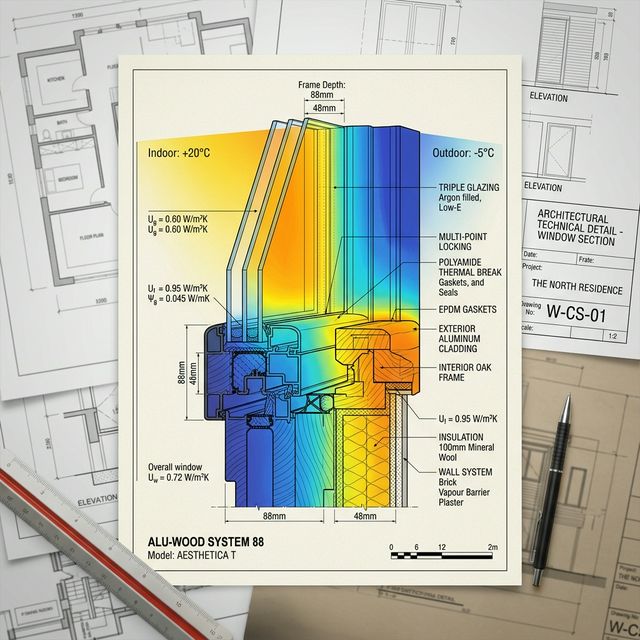
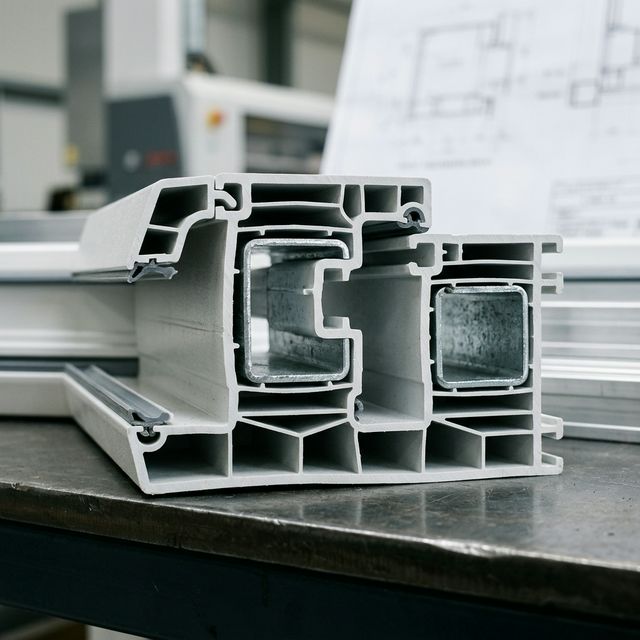
- Thermal Bridge: Multi-chambered uPVC profiles (often 5 to 7 chambers) create a series of air pockets that act as thermal breaks, reaching U-values as low as 0.7 W/m²K.
When choosing a "Vinyl" window, always verify if it is uPVC certified. It is the difference between a 10-year product and a 40-year investment.