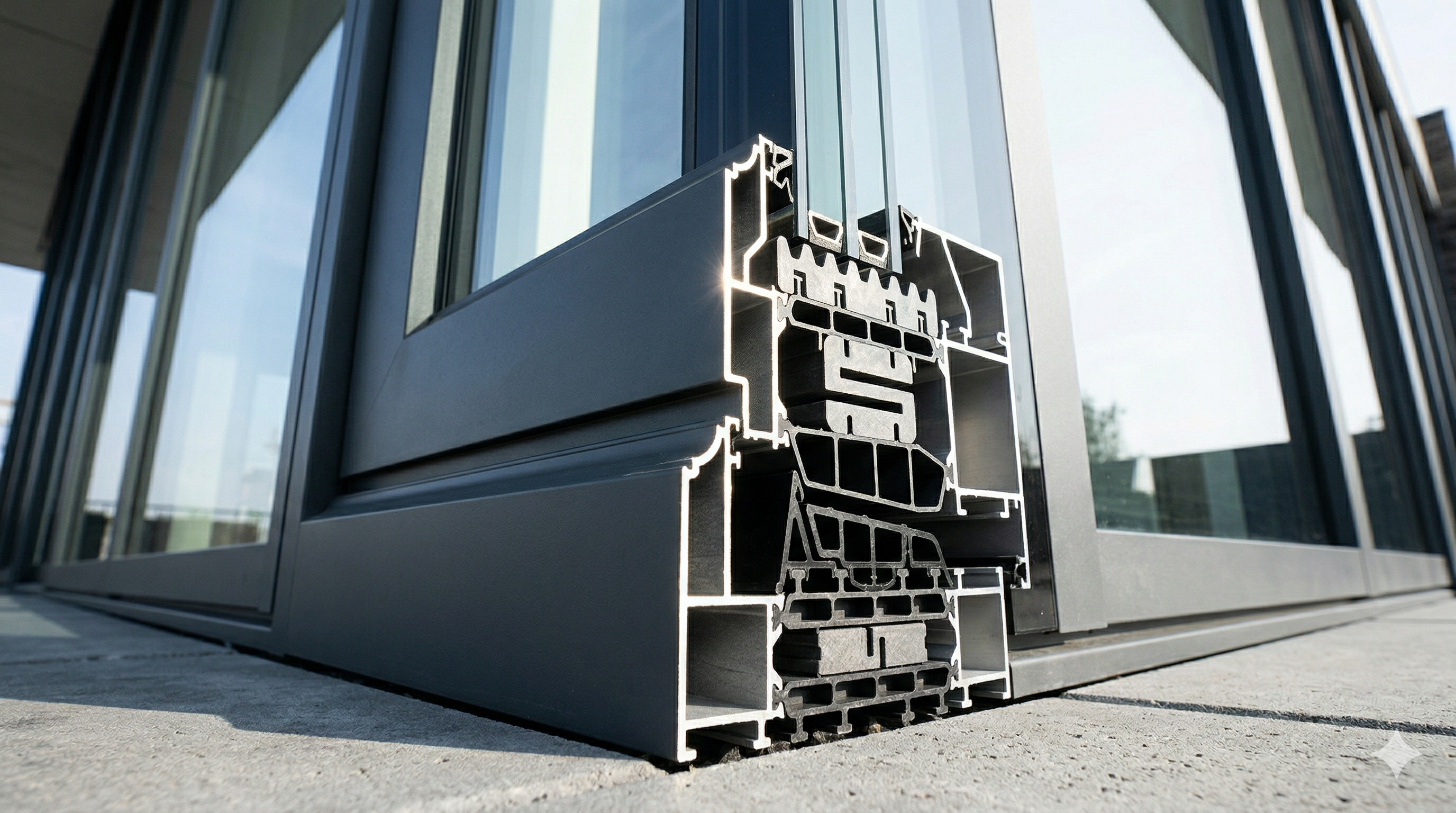
Frame Composition and Alloy Integrity
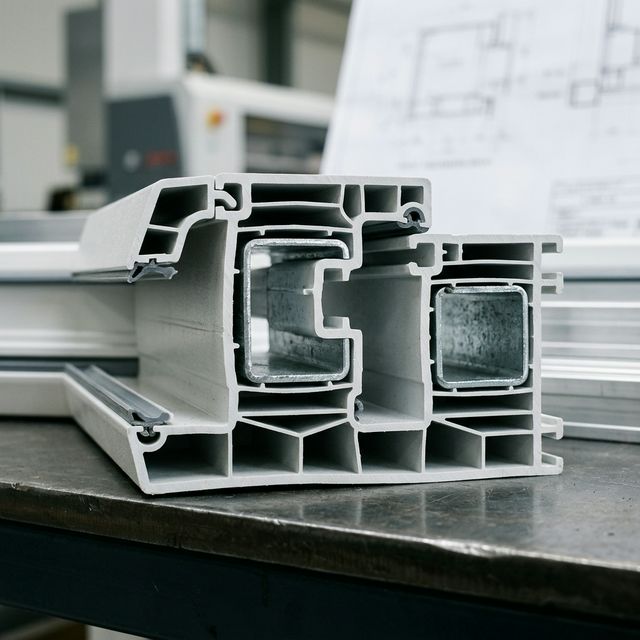
Aluminum alloy 6063-T6 provides the primary structural foundation for architectural windows. This specific alloy contains magnesium and silicon as the main alloying elements. These elements increase the tensile strength and corrosion resistance of the metal. The T6 designation indicates that the aluminum underwent solution heat treatment and artificial aging. This process maximizes the hardness and durability of the profiles. Architectural frames must resist significant wind loads in high rise buildings. Strong frames prevent glass breakage and frame deformation. Modern extrusions feature complex internal chambers. These chambers provide space for thermal insulation materials. Internal chambers also create paths for water drainage. Drainage holes prevent internal corrosion and water pooling inside the frame.Aluminum 6063-T6 offers an excellent strength to weight ratio for large scale glazing.
Thermal Break Engineering
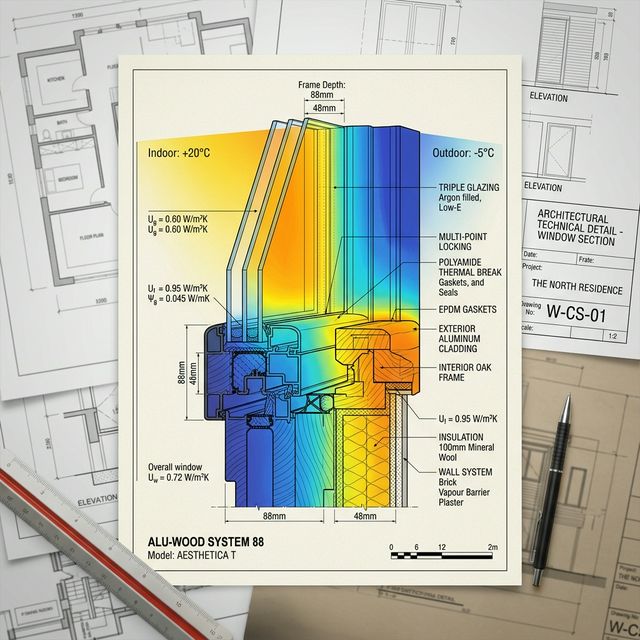
Thermal breaks stop heat transfer through the metal frame. Engineers use polyamide strips reinforced with glass fiber for this purpose. Polyamide 6.6 with twenty five percent glass fiber matches the expansion rate of aluminum. This prevents the strips from cracking during temperature changes. The strips connect the inner and outer aluminum profiles. Aluminum conducts heat quickly. Polyamide conducts heat very slowly. The thermal break separates the warm indoor metal from the cold outdoor metal. Wider thermal breaks result in lower U-Factors. MasterLine 8 systems use specific break widths to achieve passive house standards. Proper alignment ensures structural stability across the profile. The break must handle shear forces from wind and weight. Low quality breaks fail under heavy pressure.Glazing Unit Specifications
The Insulated Glass Unit contains two or three panes of glass. Triple glazing offers the best insulation for cold climates. The space between panes holds argon or krypton gas. Argon gas reduces heat loss better than air. Manufacturers seal the unit with polyisobutylene to keep the gas inside. A secondary seal of silicone provides structural support for the glass edges. Low-E coatings reflect infrared light. This keeps heat inside the building during winter. The coating stays on the inner surface of the glass panes. Soft coatings provide better performance than hard coatings.Triple pane units with argon gas and Low-E coatings minimize energy loss through the window opening.
Spacer Technology and Condensation Control
Spacers separate the glass panes at the edges. Stainless steel or plastic spacers work better than aluminum. These components are warm edge spacers. Aluminum spacers conduct too much cold and lead to condensation. Warm edge spacers prevent water droplets from forming on the glass edges. Dry desiccant inside the spacer absorbs any remaining moisture. Moisture creates fog inside the unit. Fog indicates a failure of the primary seal. Proper spacer choice improves the overall U-Factor of the window system.Gasket Systems and Weather Stripping
EPDM membranes seal the gaps between the frame and glass. EPDM stands for ethylene propylene diene monomer. This rubber resists UV rays and ozone. UV rays destroy standard rubber gaskets over time. EPDM remains flexible in freezing weather. Flexible gaskets maintain a tight seal against air and water. Modern systems use three layers of gaskets. The center gasket provides the primary air seal. This gasket creates a dry zone inside the frame. Dry zones protect the metal hardware from rust. Compression seals work better than brush seals for air tightness. Brush seals allow air to leak through the fibers.Hardware and Security Mechanics
Multi-point locking systems secure the sash to the frame at several points. These systems use mushroom cams for added security. The cams grip the frame tightly when the user turns the handle. Turning the handle moves all cams simultaneously. This action creates even pressure on the gaskets. Even pressure stops air leaks and drafts. Hidden hinges improve the appearance of the window. Hidden hinges also prevent thermal bridges. Thermal bridges allow heat to bypass the insulation layers. High quality steel hinges support heavy triple-glazed units. Heavy units often weigh over one hundred kilograms.Multi-point locks improve both security and thermal performance by ensuring a tight gasket seal.
Performance Metrics and Technical Testing
U-Factor measures the rate of heat transfer through the window assembly. Lower numbers mean better insulation. A U-Factor of 0.20 indicates high performance. SHGC stands for Solar Heat Gain Coefficient. This number shows how much solar heat enters the building. Low SHGC helps in hot climates to reduce cooling costs. High SHGC helps in cold climates to provide passive solar heating. Air infiltration tests measure how much air leaks through the seals. Low air leakage prevents energy waste. Water resistance testing ensures the window stays dry during heavy storms. High pressure spray tests simulate hurricane conditions.Structural Loads and Deflection
Wind load resistance measures the pressure the window can withstand. High-rise buildings require stronger windows due to increased wind speeds. Deflection limits prevent the glass from popping out of the frame. Engineers calculate these limits based on the total window size. Larger windows need thicker aluminum walls for stability. Thicker glass also resists higher wind loads. Laminated glass provides safety for occupants. Laminated glass stays in the frame if the glass breaks. This prevents falling shards in urban environments.Installation Protocols and Moisture Management
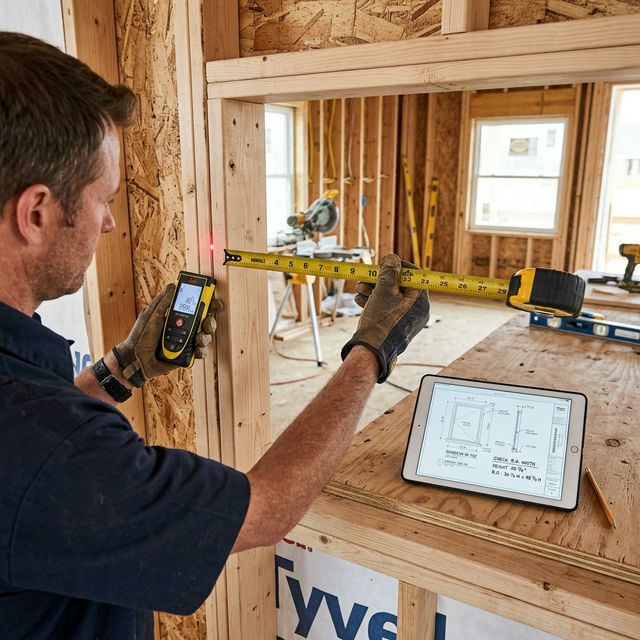
Proper installation ensures the window performs as the manufacturer designed. Installers must level the frame perfectly using laser tools. An unlevel frame causes the hardware to bind or fail. Shims support the frame weight at key points. Use load-bearing shims under the vertical members of the frame. Avoid shims made of wood as wood rots over time. Plastic shims provide a long-lasting solution. Fasteners must go through the thermal break in specific locations. Improper fastening can crack the polyamide strip.Sealant Application and Perimeter Joints
High quality silicone or hybrid sealants close the gap between the window and the wall. Use backer rods to control the depth of the sealant bead. Sealant should only touch two surfaces to allow for movement. Touching three surfaces causes the sealant to tear during thermal expansion. Expandable foam fills the large gaps around the frame. Use low-expansion foam to avoid pressure on the aluminum. High-expansion foam can bend the frame and ruin the air seal.Correct sealant application and shim placement are critical for long-term window operation.
Moisture Management and Drainage
Weep holes allow water to escape from the internal frame chambers. Every window needs a clear drainage path to the exterior. Check the weep holes for clogs during yearly maintenance. Clogged holes lead to water entering the home interior. Slope the exterior sill away from the window frame. This directs rain water to the ground. Capillary breaks prevent water from moving upward into the system. Small grooves in the frame profile act as effective capillary breaks.Sound Insulation and Acoustic Performance
Sound insulation depends on glass thickness and the space between panes. Different glass thicknesses block different sound frequencies. Using one pane of six millimeter glass and one pane of four millimeter glass works well. This setup breaks up sound waves effectively. Laminated glass also helps block noise from the street. The plastic layer between glass panes dampens vibrations. This is important for buildings near busy roads or airports. Good seals also block noise. Air leaks allow sound to enter the room easily. A window with a high STC rating provides better sound protection. STC stands for Sound Transmission Class. Higher numbers mean less noise reaches the interior.Durability and Life Cycle Maintenance
Powder coating protects the aluminum from the elements. This coating resists scratches and fading from sunlight. Anodized finishes provide a different aesthetic look. Anodizing thickens the natural oxide layer of the metal. This layer prevents corrosion in harsh environments. High performance windows last for many decades with minimal care. Maintenance involves cleaning the glass and lubricating the metal hardware. Use mild soap for cleaning the frames. Avoid harsh chemicals that damage the powder coating. Lubricate moving parts once a year to ensure smooth operation.Proper maintenance of EPDM gaskets and hardware extends the service life of architectural windows.