Understanding Unplasticized Polyvinyl Chloride
You hear the term uPVC often in window engineering. The acronym stands for unplasticized polyvinyl chloride. Manufacturers remove plasticizers from standard PVC during production. This removal creates a rigid material. The resulting polymer offers high yield strength. The polymer resists ultraviolet radiation. Standard plastic degrades under sunlight. Unplasticized polyvinyl chloride maintains structural integrity for decades. You get a window frame that refuses to warp or rot.
Chemical Composition and Extrusion
Chlorine and ethylene form the base of uPVC. Factories bond these elements at high temperatures. The process forms long polymer chains. These chains give the material a tensile strength of roughly 52 MPa. You can subject the frame to heavy wind loads. The frame holds the heavy glass. Engineers add titanium dioxide to the mix. Titanium dioxide reflects solar radiation. This addition prevents yellowing. Your white window frames stay white.
Factories produce these frames through extrusion. Workers pour raw PVC powder into a heated barrel. Twin metal screws push the melting plastic forward. The temperature reaches 200 degrees Celsius. The liquid plastic forces through a steel die. The die shapes the plastic into the specific window profile. The hot profile enters a vacuum calibration unit. Cold water chills the plastic. The vacuum holds the shape. Saws cut the continuous profile into manageable lengths.
Thermal Performance Metrics
Windows function as openings in your building envelope. You must control heat transfer through these openings. Engineers measure thermal efficiency using specific data points.
U-Factor and R-Value
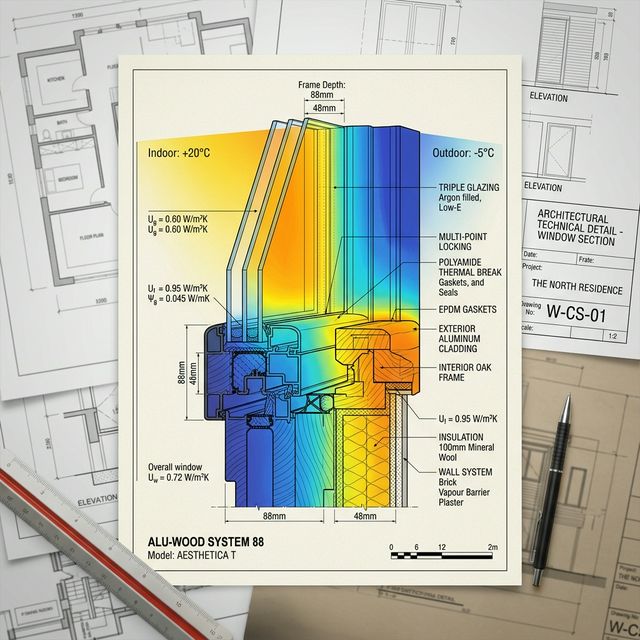
U-Factor measures how fast heat escapes your house. A lower number means better insulation. Standard single-pane windows have a U-Factor around 1.20. High-performance uPVC systems achieve U-Factors as low as 0.15. You calculate insulation capacity using the R-value. R-value measures resistance to heat flow. You divide 1 by the U-Factor to find the R-value. A window with a 0.20 U-Factor has an R-value of 5.
Unplasticized polyvinyl chloride resists heat transfer naturally. Metals conduct heat. Aluminum frames create a thermal bridge. A thermal bridge allows heat to bypass your insulation. Heat moves directly through the metal frame to the cold exterior. The uPVC material blocks this heat transfer. You keep warm air inside during winter. Laboratories test these metrics using a hot box apparatus. Technicians place the window between a hot room and a cold room. Sensors measure the exact heat loss. You receive accurate performance data for your building plans.
Solar Heat Gain Coefficient
Solar Heat Gain Coefficient measures radiation passing through the glass. Engineers call this metric SHGC. The SHGC scale runs from 0 to 1. An SHGC of 0.30 means the window blocks 70 percent of solar heat. You want a high SHGC in cold climates. High SHGC lets the sun heat your room naturally. You want a low SHGC in hot climates. Low SHGC reduces your air conditioning costs. You select the SHGC based on your local climate zone.
The uPVC frame supports thick double and triple glazing units. These glazing units control the SHGC. Manufacturers apply low-emissivity coatings to the glass surface. Machines deposit microscopic silver layers onto the glass in a vacuum chamber. These metal layers reflect infrared light. The layers remain transparent. You control temperatures without losing natural light.
Glazing Technology Integration
The uPVC frame serves as a housing for the glass unit. The glass unit provides the primary thermal efficiency. Engineers call this unit an Insulated Glass Unit or IGU.
Insulated Glass Units
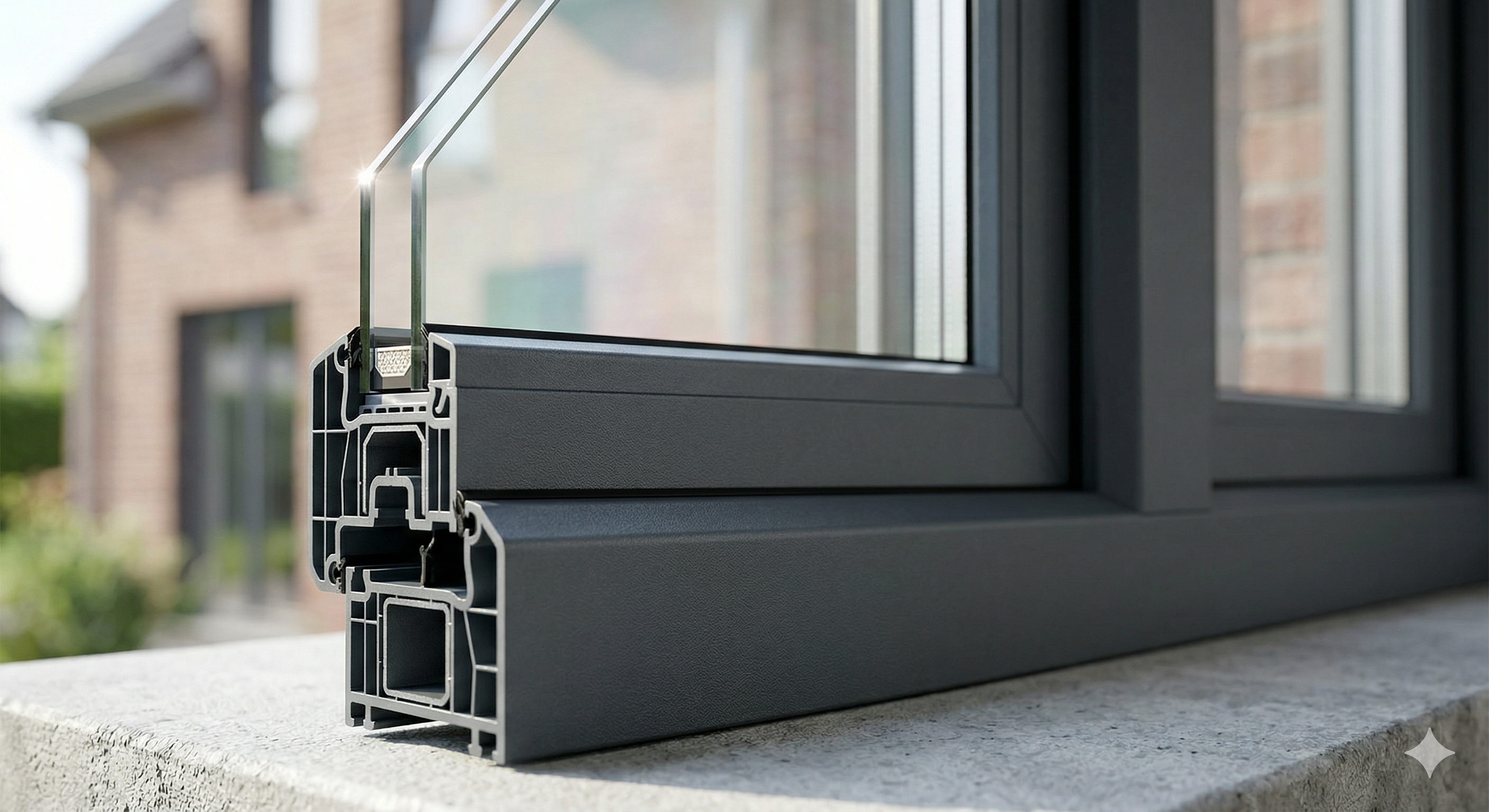
You rarely see single panes of glass in modern construction. Factories seal two or three panes of glass together. An aluminum or composite spacer separates the panes. The spacer holds a desiccant material. The desiccant absorbs trapped moisture. Your windows remain clear. No fog forms between the panes. The uPVC frame wraps around this IGU. Thick rubber gaskets grab the glass.
Gas Fills
Air provides decent insulation. Noble gases provide superior insulation. Manufacturers pump argon or krypton gas into the space between the glass panes. Argon gas moves slower than regular air. Slow movement reduces heat transfer through convection. Krypton gas performs better in narrow spaces. You pay more for krypton. You decide which gas fits your budget and climate needs. The uPVC frame features deep glazing pockets. These deep pockets accept thick triple-glazed units. You maximize the thermal performance of the entire system.
Structural Mechanics
Modern windows require complex internal structures. A solid block of plastic fails to provide adequate performance.
Multi-Chamber Extrusions
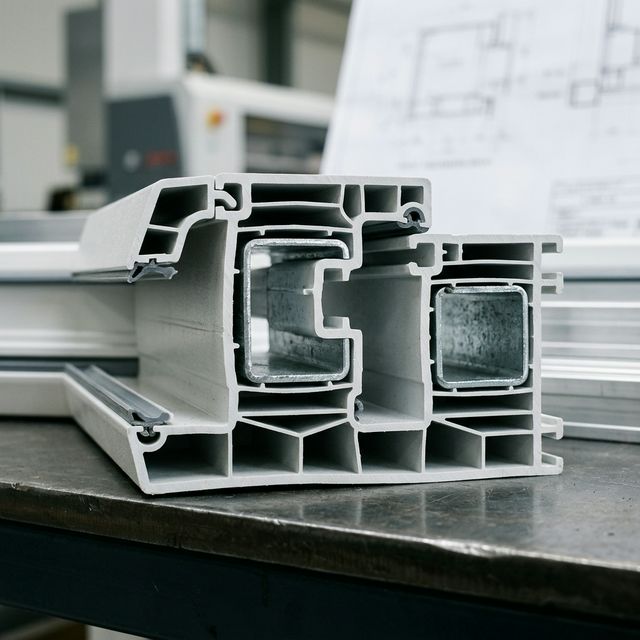
Look inside a uPVC frame. You see multiple hollow spaces. Engineers call these spaces chambers. A standard high-performance frame features five to seven distinct chambers. Each chamber serves a specific purpose. The outer chamber channels rainwater away from the window. The middle chambers trap static air. Static air acts as an excellent insulator. The inner chambers hold the metal hardware.
The chambers block cold temperatures from reaching the interior surface. More chambers mean better R-values. You also gain measurable soundproofing benefits. Sound waves lose energy as they cross each internal plastic wall. The decibel level drops. Your home stays quiet even near a busy road.
Steel Reinforcement
Large windows face extreme wind pressure. The polymer alone cannot support heavy triple-glazed panels. Engineers slide galvanized steel bars into the largest center chamber. You call this process steel reinforcement. The steel provides necessary rigidity. The steel stops the frame from bending during high winds.
Manufacturers secure the steel with specialized fasteners. The internal placement protects the steel from moisture. The steel never rusts. You get the strength of metal with the insulation of plastic. Some new designs replace steel with fiberglass inserts. Fiberglass reduces weight while maintaining high structural limits. You must verify the design pressure rating for your specific location.
Hardware and Locking Mechanisms
Security demands robust engineering. The uPVC material allows complex hardware integration. Engineers design multi-point locking systems. You turn the handle. Steel cams slide into metal keeps along the entire frame length. The window locks at five different points simultaneously. Burglars cannot pry the window open.
The hardware fastens directly into the internal steel reinforcement. Screws tear out of plain plastic under force. The steel backing provides high pull-out resistance. Your hinges support heavy triple-glazed sashes without sagging. The hardware geometry relies on standard European grooves. The Eurogroove design allows you to replace broken handles or hinges. You find replacement parts universally.
Weather Resistance and Sealing
Water penetration destroys buildings. Your window system must block rain and wind completely.
EPDM Membranes
Window sashes compress against the main frame. You need a gasket to seal this gap. High-quality uPVC windows use EPDM membranes. EPDM stands for ethylene propylene diene monomer. This synthetic rubber repels water. The rubber stays flexible in freezing temperatures. Cheap plastic seals crack in winter. EPDM membranes maintain their shape year after year.
You close the window. The sash squeezes the EPDM gasket. The compression creates an airtight seal. Water cannot bypass this barrier. Drafts stop immediately. Engineers test these seals in a pressure chamber. Machines spray water while increasing air pressure. The window must block all water to pass the test.
Welded Corners and Drainage
Aluminum frames use screws to hold the corners together. Screws leave microscopic gaps. Water finds these gaps. Manufacturers build uPVC windows differently. Factories heat the corner edges to 250 degrees Celsius. Machines press the melted edges together with high pressure. The plastic fuses into a single solid piece. You cannot pull the corner apart. Water cannot penetrate a welded joint. Your frame remains waterproof.
Rainwater occasionally enters the track when you open the window. Engineers design a dedicated drainage path. Hidden weep holes sit at the bottom of the frame. Water flows down the track and exits through the weep holes. Small plastic covers protect the weep holes from the wind. The wind cannot blow the water back inside.
Installation Procedures
A high-performance window fails if you install the unit poorly. You must follow strict engineering protocols.
Rough Opening Preparation
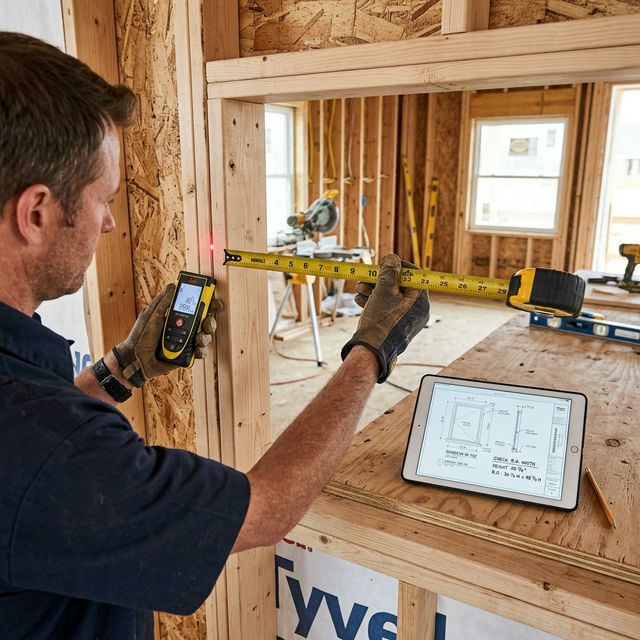
Measure the rough opening carefully. You need a gap of 12 millimeters on all sides. This gap accommodates natural thermal expansion. Check the sill for perfect level. A sloped sill traps water against the frame. Apply a liquid flashing membrane to the rough opening. The membrane protects the wood framing from moisture damage. Wait for the membrane to cure. You must follow the manufacturer drying times.
Cut a sill pan from flexible waterproof tape. Install the sill pan across the bottom wood stud. Run the tape six inches up the vertical sides. The sill pan acts as an emergency drain. Any trapped water flows out onto the exterior wall.
Securing the Frame
Remove the glass panels from the frame. You reduce the lifting weight. Place dense rubber setting blocks on the sill. Setting blocks support the total frame weight. Lift the empty uPVC frame into the opening. Use composite shims to level the frame. Plumb the vertical sides.
Insert structural screws through the frame into the wood studs. Place screws every 400 millimeters. You must drive screws through the internal steel reinforcement. The steel anchors the window to the building. Do not over-tighten the screws. Over-tightening warps the plastic profile. Check the diagonal measurements. Equal diagonal measurements guarantee a square frame. The sash opens without friction.
Air Sealing
You have a 12-millimeter gap around the frame. You must fill this space. Use low-expansion polyurethane foam. High-expansion foam bends the uPVC frame and breaks the glass. Inject the foam slowly from the interior side. The foam expands and creates a thermal barrier.
Let the foam dry. Cut the excess foam flush with the frame. Apply exterior caulking over the foam gap. Tool the caulking smooth for a clean finish. Reinstall the glass panels into the sash. Snap the plastic glazing beads into place. The glazing beads lock the glass tight. The installation process finishes. You now have a weather-tight envelope.
Durability and Environmental Impact
Building owners want longevity. They want low maintenance costs. The uPVC material delivers both requirements.
Lifecycle Analysis
Wood windows require painting every five years. Aluminum windows suffer from galvanic corrosion. The uPVC window ignores these problems. The polymer does not react with water. Termites cannot eat the plastic frame. The material life expectancy exceeds 40 years. You clean the frame with mild soap and water twice a year. You lubricate the steel hardware annually. The window performs for decades.
Closed-Loop Recycling
Factories recycle old uPVC windows. Workers grind the old plastic into small pellets. Machines melt the pellets to extrude brand new frames. You reduce landfill waste. This closed-loop recycling limits environmental damage. The material loses no structural integrity during recycling.
The high R-value reduces your daily heating needs. You burn less natural gas during winter. You lower your overall carbon emissions. Unplasticized polyvinyl chloride offers a responsible choice for modern architectural engineering. You achieve exceptional thermal comfort. You protect the structure from harsh weather. You make a sound financial investment for the property.